

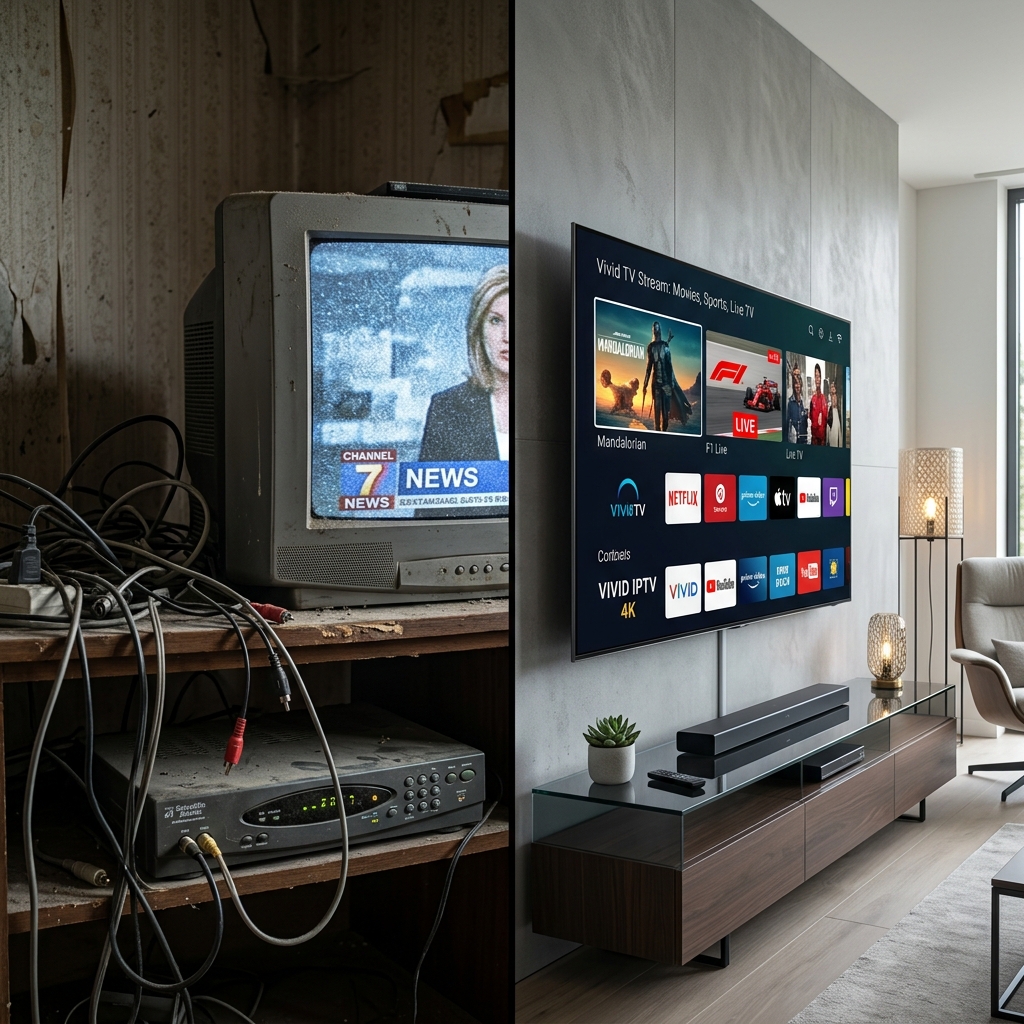
The era of traditional cable TV is rapidly ending. In 2026, with skyrocketing monthly bills and limited channel packages, cord-cutting has become a financial necessity. But how does IPTV stack up against the old-school giants?
1. The Financial Impact: Cost Savings
The most immediate benefit of switching to IPTV is the cost. While cable companies continue to raise prices and hide fees in "broadcast surcharges," premium IPTV platforms like Nexus4kTv offering the Nexus 4K IPTV subscription provide transparent, flat-rate pricing that can save you over $1,500 per year.
2. Channel Selection and Global Reach
Cable providers lock you into geographical regions. If you want international sports or channels from your home country, you're forced to pay for expensive add-on packages. IPTV shatters these borders, giving you access to 30,000+ channels from every corner of the globe in one single subscription.
3. Technology and Quality
Modern IPTV leverages your high-speed internet to deliver uncompressed 4K streams. Cable, constrained by aging coaxial infrastructure, often struggles to deliver consistent 1080p quality. Furthermore, IPTV works on devices you already own—no more monthly rental fees for clunky set-top boxes.
Cost Comparison: IPTV vs. Cable (Annual)
| Feature | Traditional Cable | Nexus 4K IPTV |
|---|---|---|
| Monthly Price | $120 - $180 | $10 - $15 |
| Hidden Fees | Yes (Many) | None |
| Global Channels | Limited | 30,000+ |
| 4K Quality | Restricted | Full Support |
Frequently Asked Questions
Is IPTV better quality than cable?
Yes, IPTV often provides better quality as it can stream in uncompressed 4K, whereas cable is often limited by bandwidth.
How much can I save by switching to IPTV?
The average household saves between $1,200 and $1,800 annually by switching from cable to a premium IPTV service.
Stop overpaying for limited television. Visit the Nexus 4K IPTV homepage to discover why thousands have already made the switch, and check our pricing plans to find the perfect subscription for your budget.


